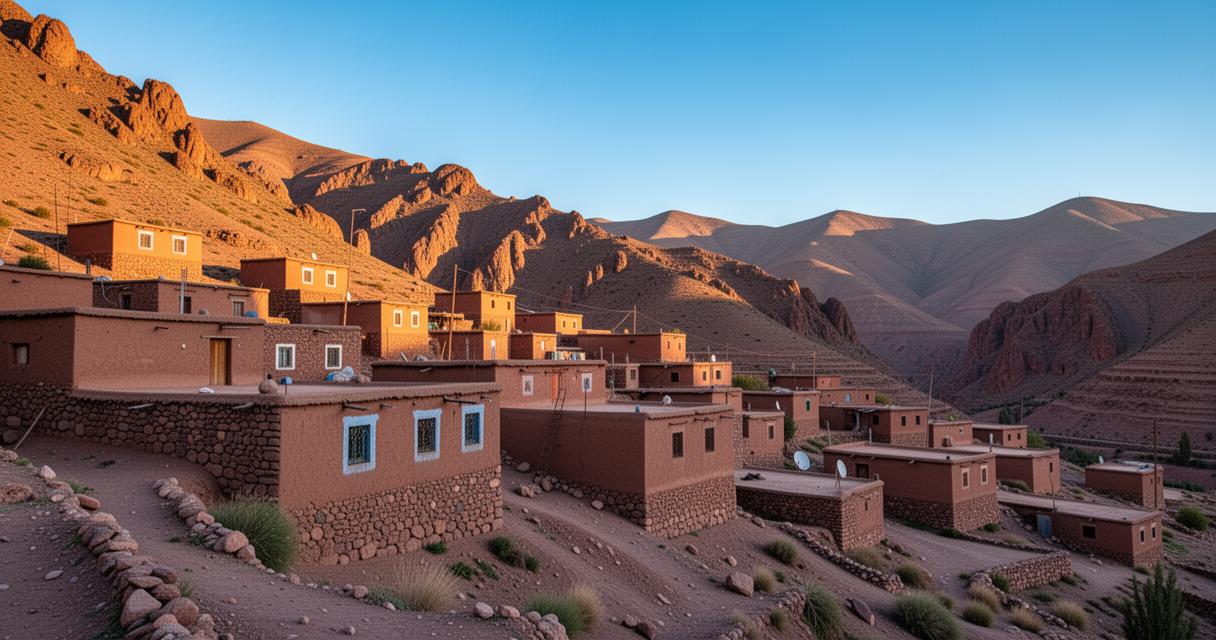
Morocco has long been a country where community solidarity and organised charity work hand in hand to address some of society’s most pressing challenges. From the bustling medinas of Casablanca to the remote villages of the Atlas Mountains, a growing network of nonprofit associations and charitable organisations is quietly transforming lives. Working in concert with institutions such as Entraide Nationale, these groups form a vital social fabric that underpins the wellbeing of millions of Moroccan citizens.
What to know
- Nonprofit associations in Morocco collaborate closely with Entraide Nationale to address social challenges and support vulnerable populations in both urban and rural areas.
- Educational initiatives, including literacy programs, vocational training, and scholarships, serve as key drivers for fostering individual advancement and social resilience.
- The Moroccan government provides a structured regulatory framework that ensures accountability for charities while offering tax incentives to encourage domestic philanthropic giving.
- Charitable organizations are actively improving quality of life by expanding access to essential services such as clean water, healthcare, and renewable energy solutions.
- Grassroots philanthropy in Morocco builds upon traditional informal solidarity networks to provide targeted, complementary support to diverse local communities.
- Long-term partnerships between the state, nonprofit organizations, and local populations are essential for the sustainability and effectiveness of social welfare initiatives.
Empowering local communities through social action
Supporting vulnerable groups in urban and rural areas
Across Morocco, community empowerment lies at the heart of charitable work. Several nonprofit associations focus their efforts on bridging the considerable gap between urban centres and rural communities, where access to basic services can be severely limited. These organisations work closely with local populations, ensuring that vulnerable groups (including elderly citizens, people with disabilities, and families living in poverty) receive meaningful support. Rather than imposing top-down solutions, the most effective charities involve community members directly in decision-making processes, fostering a genuine sense of ownership and social equity. Entraide Nationale, as a state body dedicated to social protection, provides a natural institutional partner for these grassroots initiatives, lending them both legitimacy and reach.
Promoting skill development and educational initiatives
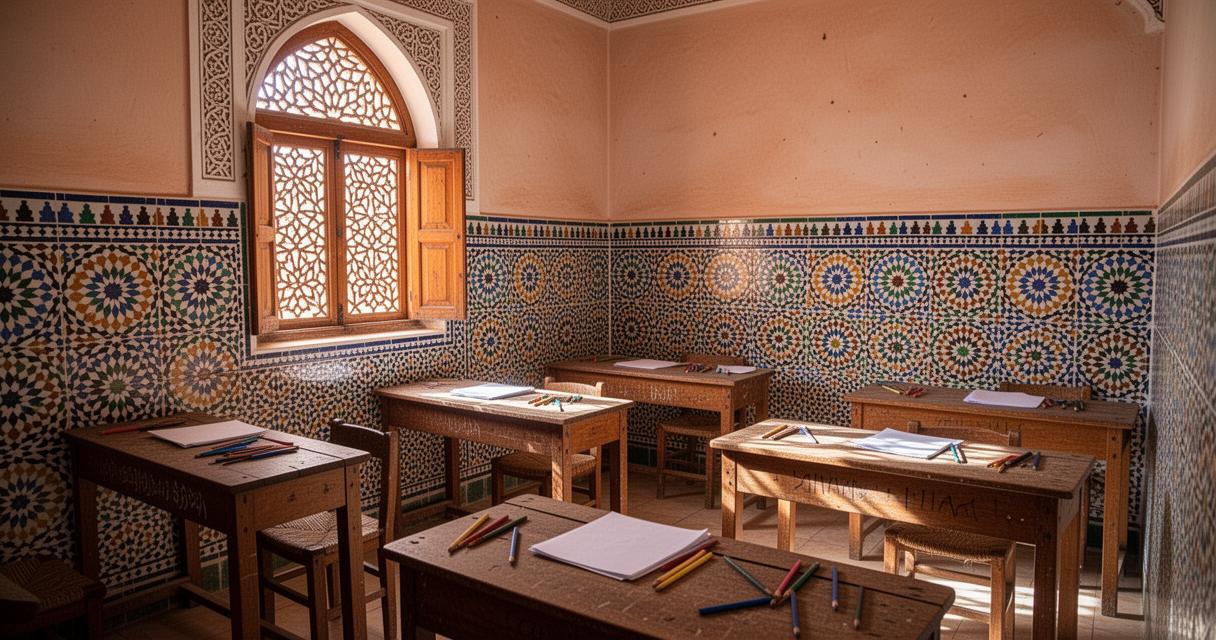
Education is widely regarded as one of the most powerful levers for sustainable development, and Moroccan charitable organisations have embraced this principle wholeheartedly. Several associations operate community learning centres in remote areas, offering literacy programmes, vocational training, and after-school support for children who might otherwise fall through the cracks of the formal education system. Scholarships are also a key tool, particularly for promising young women whose access to secondary and higher education can be constrained by socioeconomic circumstances. By addressing the root causes of inequality through educational initiatives, these organisations contribute not only to individual advancement but to the broader resilience of Moroccan society.
Fostering solidarity and social inclusion
Enhancing assistance programmes for families
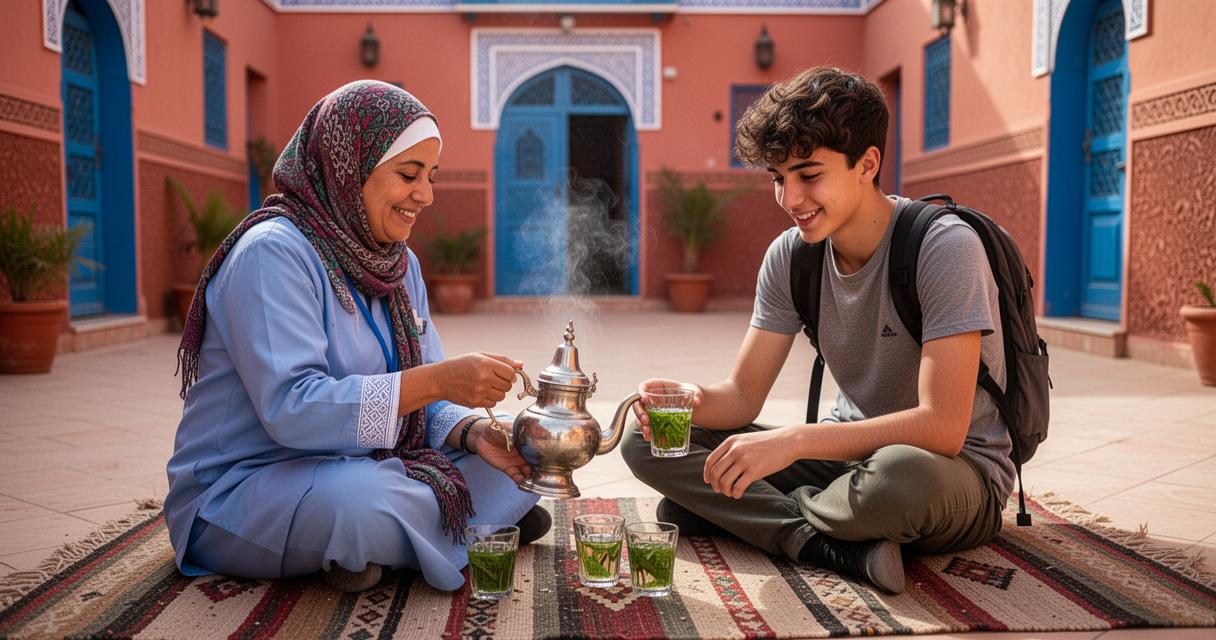
For many Moroccan families navigating financial hardship, the support offered by charitable organisations can make a decisive difference. Public benefit associations that have received official recognition are able to access a wider range of resources, including foreign funding, although strict rules govern the receipt and reporting of such contributions. This regulatory framework reflects a broader national approach that encourages a development-focused model of civil society engagement. Donations made to recognised associations are tax-deductible, though the deductibility is capped at a modest percentage of taxable income, which shapes the patterns of local giving. Despite these constraints, charitable giving in Morocco is growing steadily, supported in part by a gradual rise in per capita income observed in recent years.
Strengthening grassroots humanitarian efforts
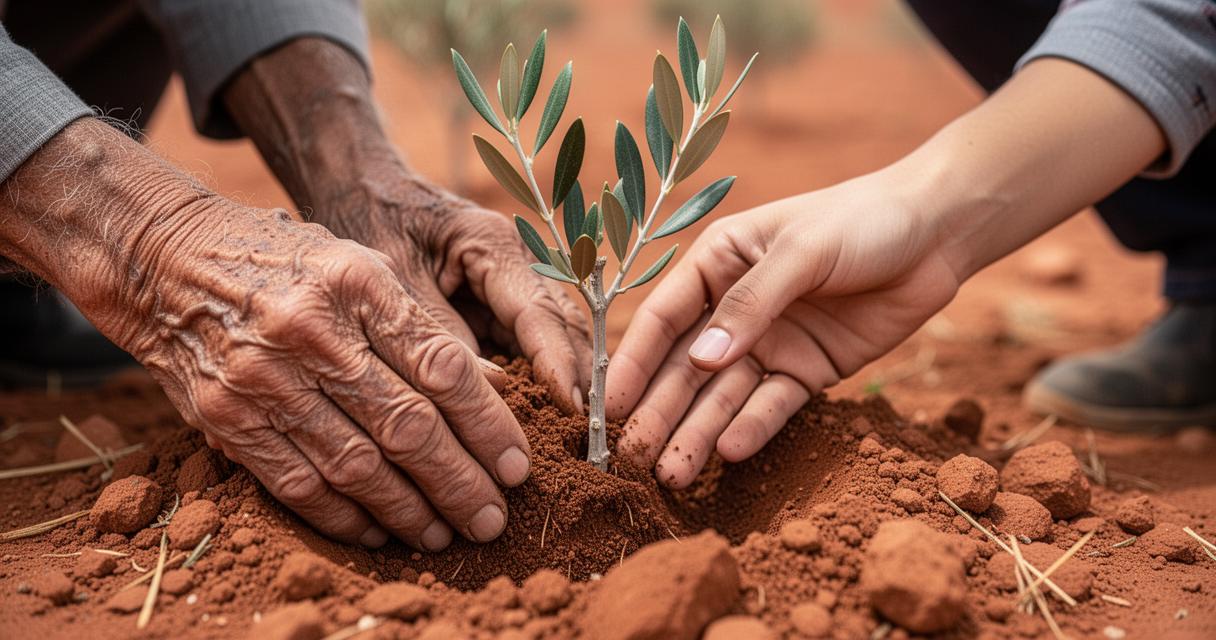
At the grassroots level, philanthropy in Morocco takes many forms, from neighbourhood food banks and mobile health clinics to cultural initiatives that celebrate Amazigh heritage and regional identity. Informal solidarity networks have historically played a crucial role in Moroccan communities, and formalised associations now build upon these traditions to extend their reach and impact. The social impact of such efforts is difficult to quantify precisely, but the transformation they bring to individuals and families is tangible. Organisations working alongside Entraide Nationale often specialise in particular population groups or geographic areas, creating a complementary ecosystem of care rather than duplicating efforts.
Collaborating for sustainable social welfare
Improving access to essential community services
Access to clean water, healthcare, and reliable energy remains uneven across Morocco, and several charitable organisations have made these priorities central to their missions. Renewable energy projects, for instance, have brought solar lighting to villages that previously relied on expensive and polluting alternatives, while initiatives supporting local agriculture have helped smallholder farmers increase their yields and incomes. Community recycling programmes, meanwhile, address both environmental conservation and economic stability by creating local employment and reducing waste. These efforts reflect a sophisticated understanding of sustainable development as an interconnected challenge requiring coordinated responses across multiple sectors.
Building long-term partnerships for public wellbeing
The most enduring charitable work in Morocco is built not on short-term interventions but on long-term partnerships between associations, public institutions, and local communities. Nonprofit associations must navigate a legal environment that requires prior government approval for registration and mandates regular financial reporting, ensuring a degree of accountability that protects both donors and beneficiaries. While the regulatory framework can present challenges, particularly around foreign funding, it also encourages organisations to develop sustainable domestic funding models and deepen their roots within local communities. Advocacy work (pushing for policy changes that benefit marginalised populations) is another dimension of charitable activity in Morocco, though organisations operating in this space must do so within clearly defined boundaries. Collectively, these five kinds of organisations represent a dynamic and evolving charity sector, one that is increasingly recognised as essential to Morocco’s social development and its ambitions for a more equitable future.