Nestled within the province of Zuid-Holland, Gouda stands as a testament to Dutch resilience and cultural richness. Whilst the world readily associates the city's name with its famous cheese, the narrative of Gouda extends far beyond its celebrated dairy markets. This compact yet historically significant city earned its municipal rights in 1272, marking the beginning of a journey through medieval conflicts, architectural innovation, and strategic military importance. Visitors arriving today by train from Rotterdam, Utrecht, or Amsterdam discover a place where centuries-old fortifications once guarded against invaders, where stained-glass masterpieces illuminate Gothic architecture, and where sustainable living meets historic preservation.
Gouda's Historic Fortifications and Strategic Importance in Dutch History
The Medieval Defence System and City Walls of Gouda
The transformation of Gouda from a modest settlement along the Gouwe river into a fortified municipality reflected the turbulent nature of medieval territorial control in the Low Countries. Following the granting of city rights by Earl Floris the Fifth in 1272, the community established defensive structures befitting its growing commercial importance. The etymology of the city's name remains a subject of scholarly debate, with theories suggesting derivation from Gold-a or Gold-ach, potentially referencing the golden hue the Gouwe river assumed due to peat deposits in the surrounding landscape. These natural waterways provided both economic arteries for trade and defensive barriers against potential attackers.
As Gouda's prosperity increased through the late medieval period, particularly following the municipal council's acquisition of market lands in 1395, the need for substantial fortifications became paramount. The city's strategic location between major Dutch urban centres made it vulnerable to territorial disputes and military campaigns that characterised the region's history. Devastating fires in 1361 and 1438 repeatedly challenged the city's development, with the latter conflagration destroying not only the city hall but also precious municipal archives that documented early defensive arrangements. Despite these setbacks, Gouda rebuilt with remarkable determination, incorporating lessons learned from each catastrophe into increasingly sophisticated urban planning and defensive architecture.
Gouda's Role During the Eighty Years' War and Dutch Independence
The year 1572 marked a pivotal moment in Gouda's military and political significance when the city formally confirmed William of Orange as Stadtholder, thereby aligning itself with the nascent Dutch Republic during the early stages of the Eighty Years' War against Spanish Habsburg rule. This declaration placed Gouda at the heart of the struggle for Dutch independence, transforming the city from a primarily commercial centre into a location of strategic military importance. The decision carried substantial risk, as cities supporting the rebellion faced potential siege, occupation, and reprisal from Spanish forces determined to maintain control over the profitable provinces of the Low Countries.
The century following this momentous declaration tested Gouda's defensive capabilities repeatedly. The disastrous year of 1672, remembered in Dutch history as the rampjaar, brought coordinated attacks from France, England, and German dioceses against the fledgling Dutch Republic. Although Gouda avoided the worst devastations experienced by some neighbouring cities, the period reinforced the necessity of maintaining robust fortifications and strategic alliances. The city's network of canals, which today attracts visitors for leisurely boat tours and SUP adventures, originally served dual purposes as commercial waterways and defensive moats, complicating siege operations and providing controlled access points that could be defended with relatively modest forces. The layout of historic buildings within the old city centre still reflects this defensive logic, with narrow streets and strategic positioning designed to channel and control the movement of potential attackers.
Architectural Treasures and Cultural Heritage Beyond the Cheese Markets
Sint janskerk's magnificent stained-glass windows and religious significance
Dominating the skyline of Gouda's historic centre stands Sint Janskerk, the longest church in the Netherlands, stretching an impressive 123 metres. Following a devastating fire in 1552 that consumed the earlier structure, the church was rebuilt with remarkable ambition and artistic vision. The reconstruction incorporated seventy-two extraordinary stained-glass windows that have since earned international recognition as among the finest examples of the medium in Europe. These windows represent not merely decorative elements but function as pictorial narratives documenting religious themes, historical events, and the patronage of wealthy donors who commissioned specific panels to demonstrate piety and civic pride.
The craftsmanship displayed in these windows reflects the technical mastery and artistic sensibility of the Dutch Golden Age, a period when the newly independent Dutch Republic channelled its commercial wealth into cultural and architectural achievements. Natural light filtering through these coloured glass panels creates an ever-changing interior atmosphere, with different times of day and varying weather conditions producing distinct visual effects. Visitors today can spend hours examining the intricate details, from biblical scenes rendered with emotional depth to heraldic symbols representing noble families and municipal authorities. The church's significance extends beyond its architectural merit, serving as a monument to Gouda's resilience following repeated fires and its determination to create beauty amid the challenges of historical circumstance.
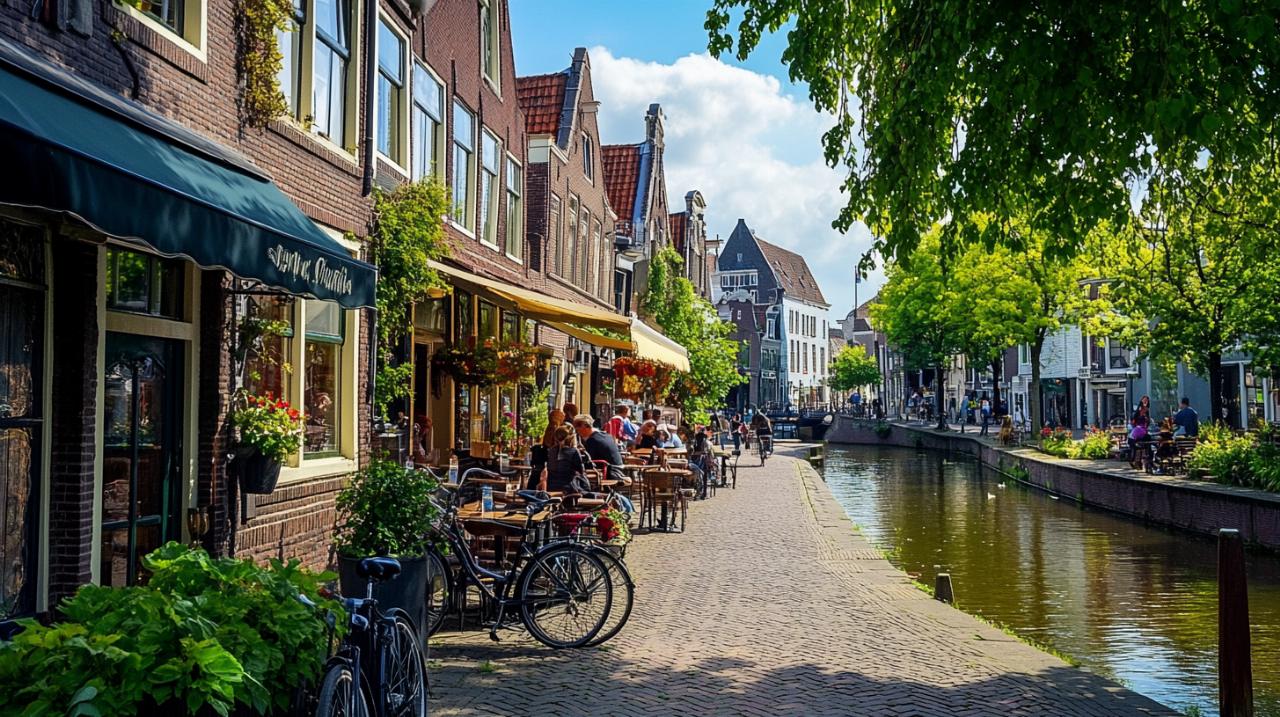
The historic town centre: medieval buildings and dutch golden age architecture
Adjacent to Sint Janskerk stands Gouda's remarkable city hall, distinguished as the oldest Gothic city hall in the Netherlands. This architectural gem survived the catastrophic fires that claimed earlier municipal buildings, though restoration work over subsequent centuries has carefully maintained its historical character whilst incorporating necessary modernisations. The building's Gothic elements, including pointed arches, ornate stonework, and steep rooflines, exemplify the architectural principles that dominated European civic construction during the medieval period. The facade serves as a physical embodiment of municipal authority and civic pride, projecting permanence and legitimacy to residents and visitors alike.
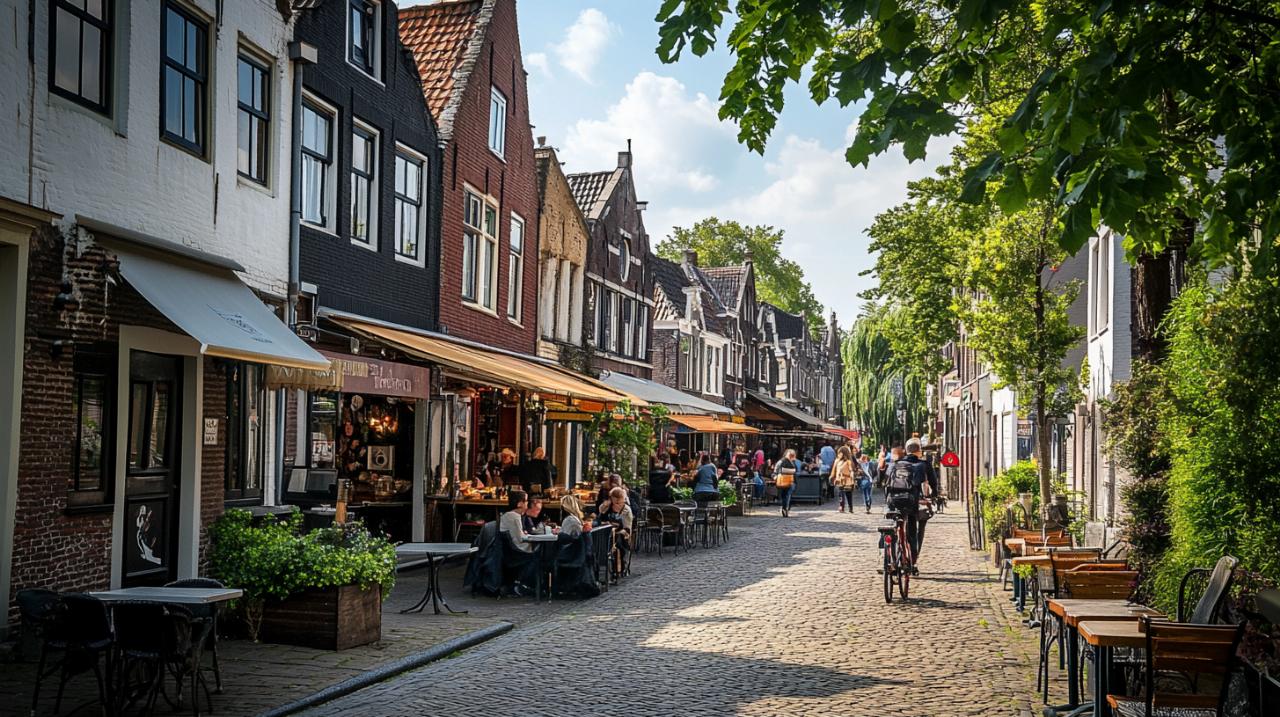
Wandering through the historic centre reveals layer upon layer of architectural evolution, from medieval foundations to Dutch Golden Age embellishments and later additions. De Waag, the historic weigh house where merchants once brought their goods for official measurement and taxation, stands as another testament to Gouda's commercial heritage. The building's robust construction reflects its utilitarian purpose whilst incorporating decorative elements that elevated it beyond mere functionality. Nearby, the Syrup Waffle Factory offers visitors insight into the production of stroopwafels, those delightful confections possibly originating in Gouda around 1810, combining history with sensory pleasure. The preservation of these structures reflects conscious choices by successive generations to maintain connections with the past whilst adapting to contemporary needs, a balance that sustainability-focused organisations like the New York Times have praised when recognising Gouda's environmental initiatives.
Practical travel guide: exploring gouda and finding affordable accommodation nearby
Day Trip Essentials: Transport Links from Amsterdam and Rotterdam to Gouda
Modern visitors benefit from excellent transport infrastructure connecting Gouda with major Dutch urban centres, making the city an ideal destination for day trips or longer explorations. Train services provide particularly convenient access, with journeys from Rotterdam requiring merely twenty minutes, whilst connections from Utrecht and The Hague match this duration. Travellers departing from Amsterdam face a slightly longer journey of approximately fifty minutes, with options including direct services or connections through Utrecht. These efficient rail links mean visitors can easily incorporate Gouda into broader itineraries exploring the Netherlands without the complications of navigating unfamiliar roads or arranging parking.
For those preferring automotive transport, several strategically located car parks serve the historic centre, including Parking Klein Amerika, Parking Nieuwe Markt, Parking Schouwburgplein, Parking Bolwerk, and Parking Vossenburchkade. The city's commitment to sustainability, recognised in its designation as the most bee-friendly municipality in the Netherlands in 2023, extends to encouraging environmentally conscious transport choices. The car-free accessibility praised by international media outlets makes exploring the compact historic centre particularly pleasant on foot or by bicycle, the quintessentially Dutch mode of transport. Rental bicycles are readily available, allowing visitors to navigate the network of canals and historic streets at a leisurely pace whilst reducing environmental impact.
Budget-Friendly Lodging Options and Hotel Alternatives in the Gouda Region
Whilst Gouda offers accommodation options within the historic centre, budget-conscious travellers often discover superior value by considering properties in the surrounding region that maintain convenient access to the city. Resources such as comfortinnhotelsorlando.com can assist in identifying establishments offering competitive rates without sacrificing comfort or convenience. The relatively modest population of approximately seventy-four thousand residents means Gouda itself maintains a more relaxed pace than the bustling metropolises of Amsterdam or Rotterdam, with correspondingly lower accommodation costs in many establishments.
The strategic location of Gouda within Zuid-Holland provides additional flexibility for accommodation planning. Properties situated between Gouda and neighbouring cities often provide excellent value whilst maintaining easy access to multiple destinations via the efficient Dutch rail network. Visitors planning extended explorations of the region might consider accommodation in smaller towns surrounding Gouda, where local guesthouses and smaller hotels offer authentic Dutch hospitality at prices significantly below those demanded in major tourist centres. The annual calendar of events, including the famous Gouda Cheese Market held every Thursday from April through August, Gouds Montmartre running on Wednesdays from June through August, and the enchanting Gouda by Candlelight celebration each December, influences accommodation availability and pricing. Booking in advance during these peak periods ensures securing preferred lodging options whilst potentially accessing early reservation discounts. The combination of rich historical attractions, excellent transport connections, and diverse accommodation options makes Gouda an accessible destination for travellers across budget ranges, rewarding those who venture beyond the well-trodden paths of larger Dutch cities with authentic cultural experiences and remarkable value.