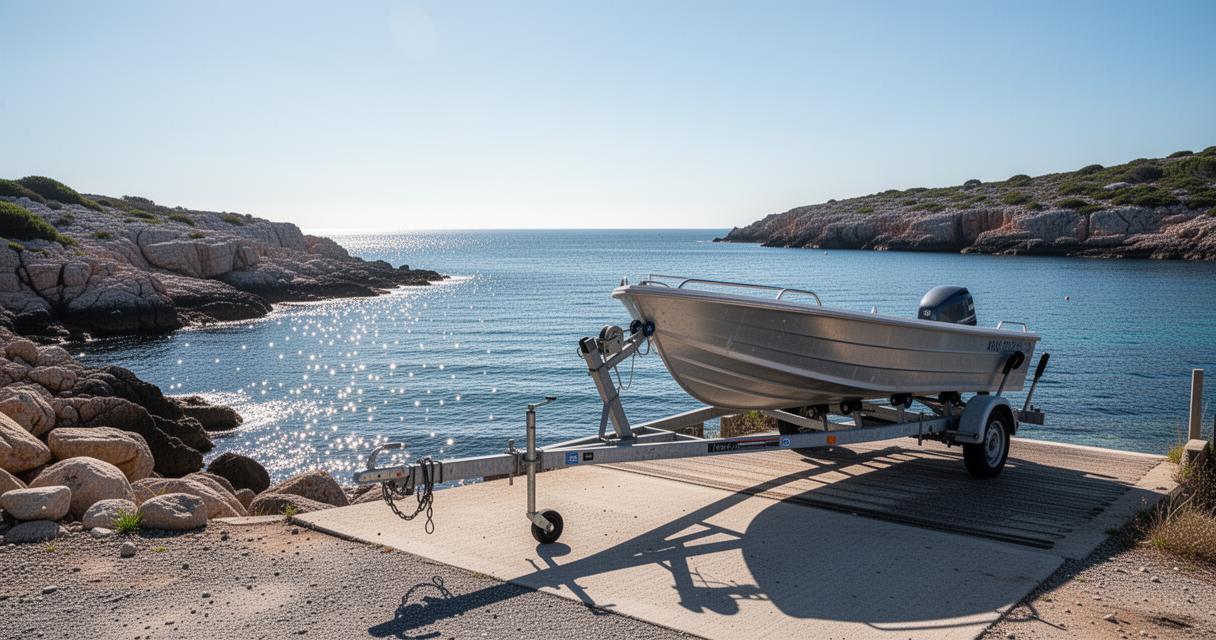
For anyone who takes their boating seriously, the question of how to transport a vessel safely and efficiently is never far from mind. Whether you are heading to a coastal launch point or a freshwater reservoir, the right boat trailer makes all the difference, both on the road and at the water’s edge. CBS Remorques has built a comprehensive catalogue of boat trailers designed to meet a wide range of needs, from compact dinghies to larger motor boats requiring a more robust setup.
The essentials
- CBS Remorques provides a diverse range of trailers designed for various vessels, including inflatables, jet-skis, and motor boats.
- The use of galvanised steel chassis ensures durability and corrosion resistance, particularly for boat owners operating in saltwater environments.
- Adjustable axles, rollers, and winches allow for precise configuration, ensuring the vessel’s weight is distributed evenly to prevent hull damage.
- Single-axle trailers are a cost-effective solution for lighter boats, while multi-axle setups provide essential stability and load-bearing capacity for larger vessels.
- Braked systems are a critical safety and often legal requirement for trailers carrying heavier gross vehicle weights.
- Tilting trailer frames and customisable roller systems significantly simplify the launching and recovery process at the water’s edge.
Understanding the CBS Trailer Range for Secure Transport
CBS Remorques offers various types of boat trailers, including models suited to inflatable boats, rigid inflatables, and jet-ski transport. The catalogue spans several configurations, with models such as the CBS P0150, CBS P0220, CBS P0320, and CBS P0380 each addressing distinct requirements. What unites them is a commitment to adjustable frames and axles, which are essential for safe and dependable boat transport across varying road conditions. It is worth noting that from the P0320 model onwards, trailers are designed with a tilting function, making water launches considerably more straightforward.
Galvanised steel chassis and axle specifications
The choice of chassis material plays a significant role in the longevity and performance of any marine trailer. Galvanised steel is a particularly popular choice for boat owners who regularly use their vessels in saltwater environments, as the zinc coating provides meaningful protection against corrosion. While galvanised steel is heavier than aluminium, it remains a robust and dependable option for a wide range of boat sizes. The galvanized chassis found across the CBS range ensures structural integrity even after repeated exposure to water, mud, and the mechanical stresses of launching and recovery. The axle configuration further determines the trailer’s load-bearing capability, and CBS trailers are built with adjustable axle positions to accommodate different hull lengths and weight distributions.
Selecting the Right Winch and Roller Configurations
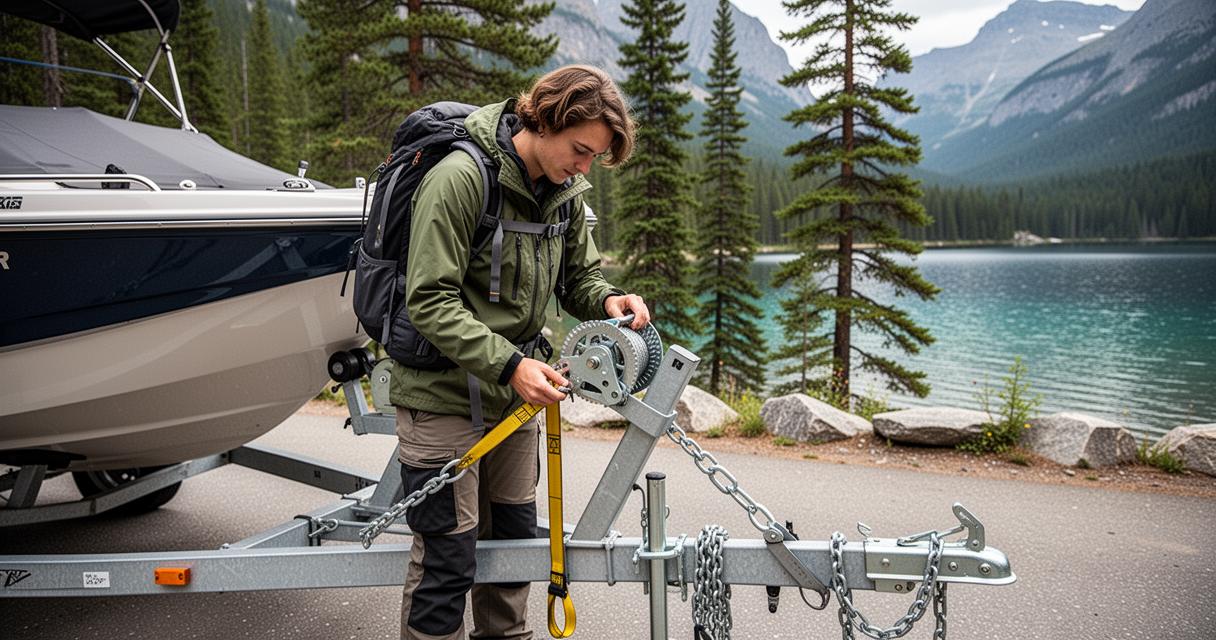
Beyond the chassis itself, the winch and roller system are among the most critical components for smooth and safe boat handling. A well-specified winch allows a single person to load and secure a boat without excessive effort, while multiroller and lateral roller configurations distribute the hull’s weight evenly, reducing the risk of damage during launching or recovery. CBS trailers are typically equipped with spools and rollers that can be adjusted to suit the specific profile of a boat’s hull. The boom and hoop elements further support the vessel during transport, preventing unwanted movement over long distances. Choosing the right combination of winch, rollers, and straps is not simply a matter of convenience, it is fundamental to boat towing safety.
Key factors influencing boat trailer price points
When comparing boat trailer price points, it quickly becomes apparent that several technical variables drive the cost upwards or keep it accessible. The nature of the axle setup, the braking system, and the gross vehicle weight rating all feed directly into the final figure. Understanding these factors helps buyers make informed decisions rather than simply opting for the cheapest available option.
Single versus multi-axle setup options
A single axle trailer is generally the more affordable and easier-to-maintain choice, and it suits lighter, smaller boats admirably well. For dinghies and compact motor boats, a single unbraked axle provides sufficient support without unnecessary complexity. The CBS P0150 and P0220 are both unbraked single-axle trailers designed precisely for this kind of transport. However, as boat size and weight increase, a twin axle trailer becomes the more appropriate (and indeed the safer) solution. Multi-axle setups distribute the load across a greater number of wheels, reducing strain on individual components such as wheel bearings and drawbar connections. While the upfront cost is higher, the long-term stability and safety benefits are considerable for larger vessels.
Braked systems and gross vehicle weight ratings
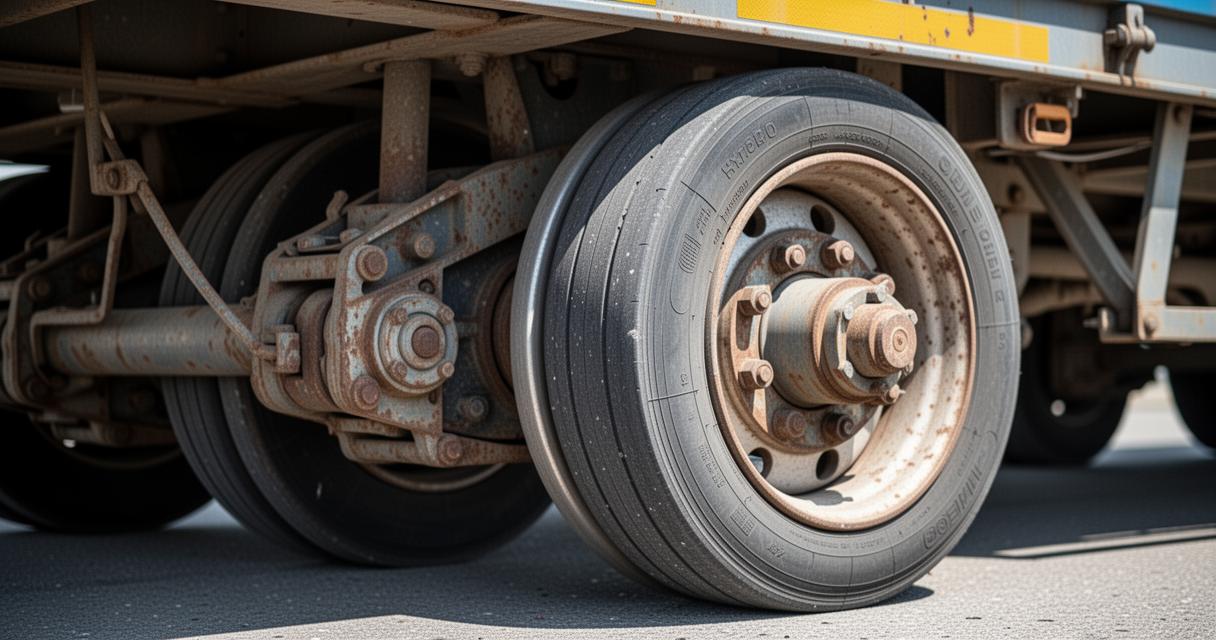
The question of whether to opt for a braked trailer hinges largely on the gross vehicle weight rating, commonly referred to as the GVWR. In many markets, trailers exceeding a certain weight threshold are legally required to be fitted with a braking system. A braked trailer integrates its own stopping mechanism, which works in conjunction with the towing vehicle’s brakes to bring the entire rig to a controlled halt. For heavier boats, this is not merely a legal consideration but a genuine safety imperative. The CBS range acknowledges this reality by offering configurations that accommodate both unbraked and braked setups depending on the application, with the jockey wheel and drawbar components engineered to handle the specific stresses of each arrangement.
Matching Your Boat Type with the Ideal Launching Equipment
Selecting the right trailer is not purely about weight capacity or axle count, it also involves understanding how the trailer will interact with your specific boat type at the moment of launch. The water’s edge presents its own challenges, and a trailer that is well-matched to its vessel makes the entire process far less fraught.
Features for Rigid Inflatables and Motor Boats
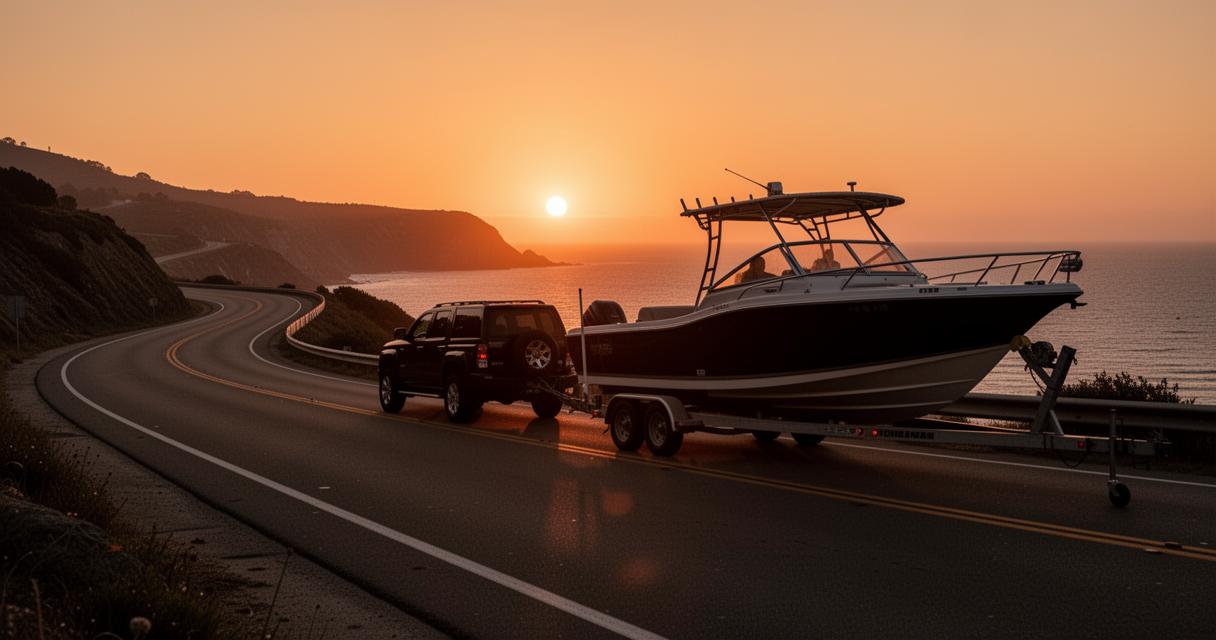
Rigid inflatable boats and motor boats place distinct demands on a trailer’s support structure. Because their hulls tend to be wider and their weight more concentrated at certain points, the positioning of rollers and lateral supports becomes especially important. CBS trailers designed for these boat types incorporate adjustable lateral roller systems that can be repositioned to cradle the hull correctly, preventing pressure points that could cause damage over time. The steel hoop and boom components also play a part in keeping the boat stable during road transport, particularly on longer journeys where vibration and lateral movement might otherwise take their toll. For motor boats with outboard engines, ensuring the drawbar length is appropriate for the vessel’s overall dimensions is an equally important consideration.
Adjustable accessories for smooth water launches
At the launch site, a tilting trailer frame transforms what can otherwise be a cumbersome procedure into a manageable task. By allowing the trailer bed to tilt, the boat slides naturally towards the water under its own weight, reducing the physical effort required and minimising the risk of hull damage on shallow ramps. The strap and winch system then controls the descent, while the multiroller bed guides the hull smoothly into the water. For saltwater launches in particular, it is worth considering how easily the trailer can be rinsed down after use, galvanized steel components simplify post-launch maintenance considerably. Properly maintaining wheel bearings and inspecting the trailer after each outing remains essential practice, as routine upkeep is what keeps a trailer in reliable condition across many seasons of use.