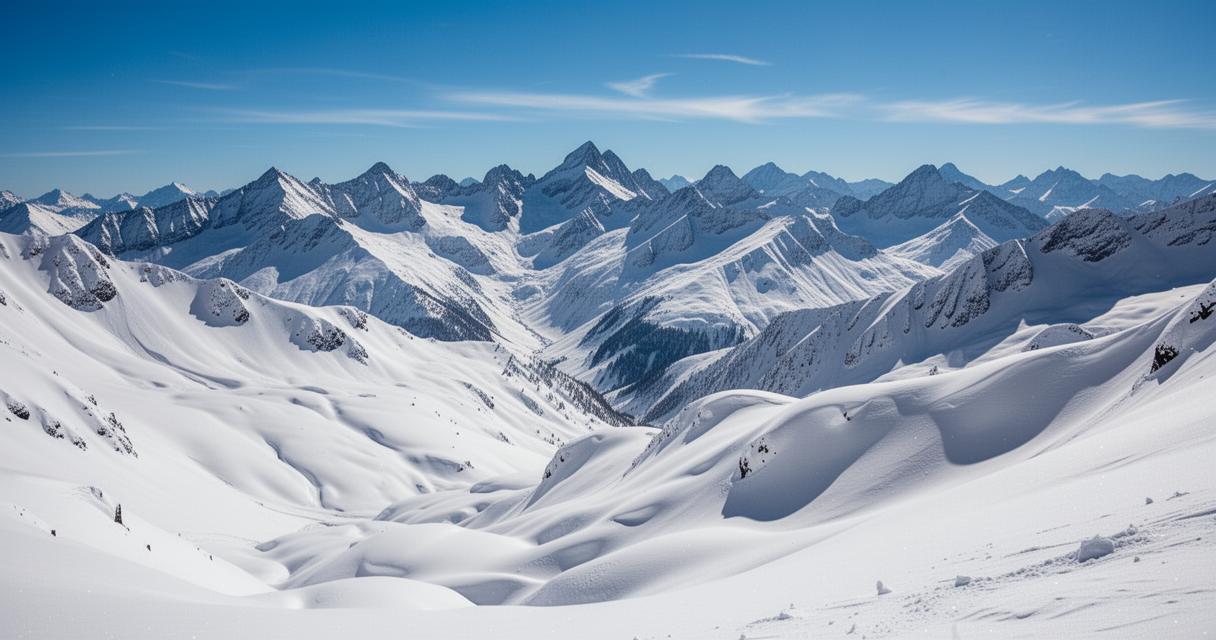
Snow is far more than a simple seasonal backdrop for winter sports. For skiers, mountaineers, and anyone who ventures onto a snowy slope, understanding the different types of snow is both a practical necessity and a fascinating scientific pursuit. From the delicate geometry of a freshly formed snowflake to the dense, transformed layers buried deep within a snowpack, each variety of snow tells a story about temperature, humidity, and time.
Key points
- Snowflake structure is primarily determined by atmospheric temperature and humidity during the initial freezing process.
- The cohesion and stability of a snowpack are dictated by the specific shapes of the crystals, such as dendritic or needle-like forms.
- Metamorphism continuously alters snow grains over time due to fluctuations in heat, pressure, and humidity once the snow has settled.
- Wet snow, characterized by high liquid water content, is heavier and reduces structural integrity, significantly increasing the risk of wet-snow avalanches.
- Spring conditions produce ‘corn snow’ through repeated freeze-thaw cycles, creating granular surfaces that change significantly throughout the day.
- Avalanche safety depends on identifying weak layers like depth hoar or faceted grains that lack cohesive strength within the layered snowpack.
- Effective mountain safety requires integrating knowledge of snow crystal types, weather history, and current conditions to assess stability accurately.
Fresh powder and newly fallen snow crystals
When conditions align perfectly in the upper atmosphere, the result is what skiers and winter sports enthusiasts treasure most: fresh powder. This lightest and most celebrated form of snow forms when water vapour freezes directly into ice crystals at very low temperatures, bypassing the liquid stage entirely. The outcome is a snowflake of extraordinary intricacy, its structure governed entirely by the temperature and humidity of the air through which it falls. Cold, dry air produces the finest, most delicate flakes, while slightly warmer conditions yield larger, more clustered formations.
The formation of light snowflakes in cold temperatures
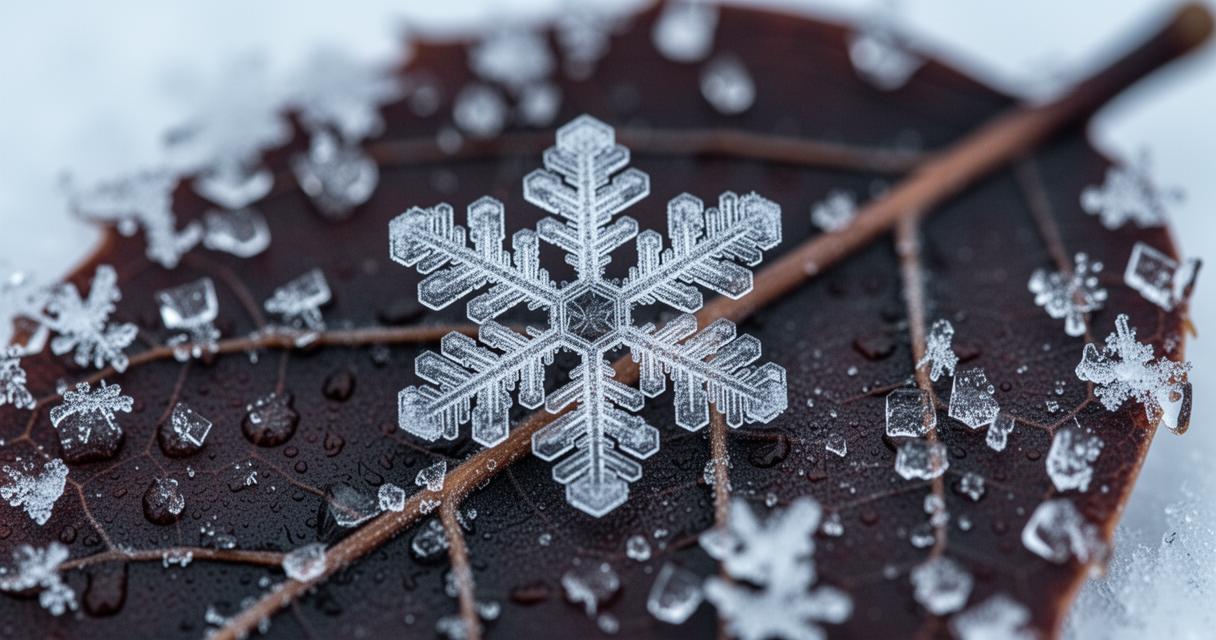
At its core, a snowflake begins as a tiny ice crystal nucleating around a microscopic particle of dust or pollen high in the atmosphere. As water vapour continues to freeze onto the crystal’s surface, it grows outward along six symmetrical planes, producing the familiar hexagonal shapes so appreciated by winter enthusiasts. The colder the temperature, the smaller and more defined the crystal; warmer temperatures closer to freezing tend to produce larger, wetter flakes that clump together before reaching the ground. This distinction matters greatly once the snow settles, as the definition of powder — that glorious, floaty experience — depends almost entirely on this initial formation process.
How crystal structure affects cohesion on slopes
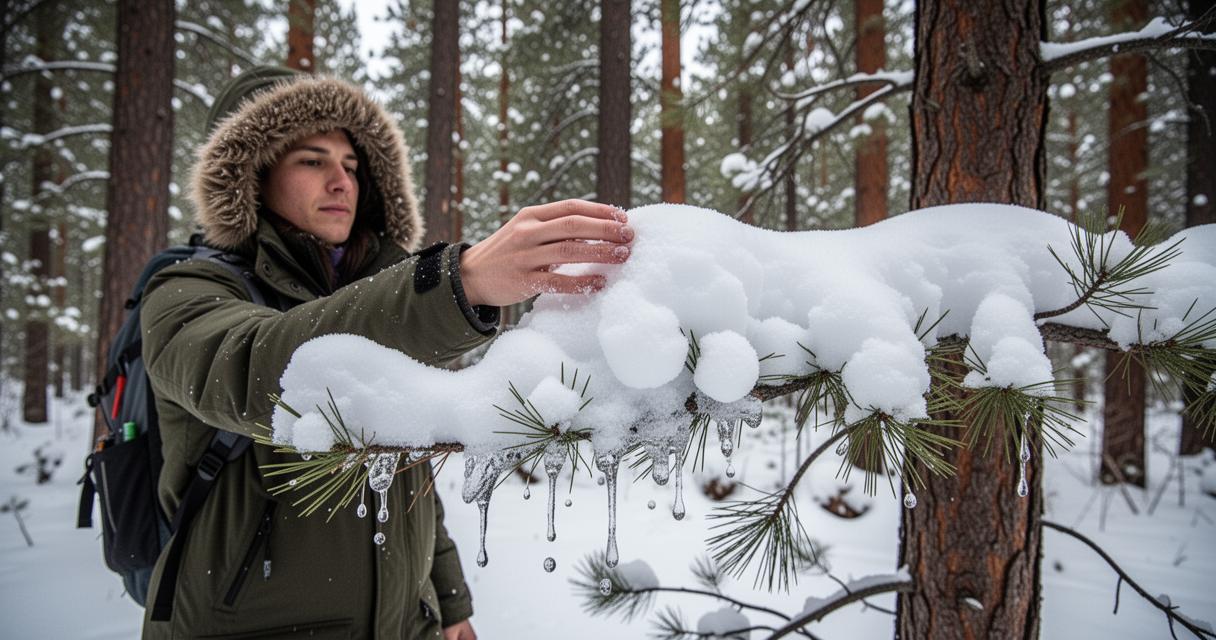
Once freshly fallen snow lands on the mountain face, its cohesion — that is, how well its particles bind together — is determined largely by crystal shape. Dendritic crystals, with their branching arms, interlock readily and create a stable, airy snowpack. Needle-like crystals and columnar forms, by contrast, stack loosely and offer far less structural integrity. For skiers reading a slope, recognising the type of snow underfoot translates directly into understanding how the surface will behave under pressure and movement. A layer of loosely packed needles beneath a denser slab, for instance, represents a potential weak point that warrants close attention.
Transformed Layers and the Impact of Sun and Humidity
Snow is never static. From the moment it settles, heat, pressure, and humidity begin reshaping its crystals in a process called metamorphism. As temperatures fluctuate and sunlight strikes the snowpack, the original delicate flakes give way to rounded grains, faceted plates, or the coarser structures that define mature, transformed snow. This continuous evolution means that a single mountain face may host several entirely distinct snow types within a few centimetres of depth.
Understanding wet snow and liquid water content
When temperatures rise above freezing, either at the surface or within the snowpack itself, liquid water content increases and the snow transitions from dry to wet. Wet snow is noticeably heavier, with a dense, cohesive texture that clings to surfaces and to itself. While this makes it excellent for building snowmen, it presents a very different challenge on the mountain. The presence of liquid water within the snowpack lubricates the bonds between layers, reducing the structural strength of the entire blanket. Skiers often describe wet snow as sticky or heavy, requiring considerably more effort to carve through than its drier counterpart. More critically, high liquid water content is one of the key factors that raises the risk of wet-snow avalanches, particularly on steeper faces during warm afternoon spells.
Spring snow characteristics and surface changes
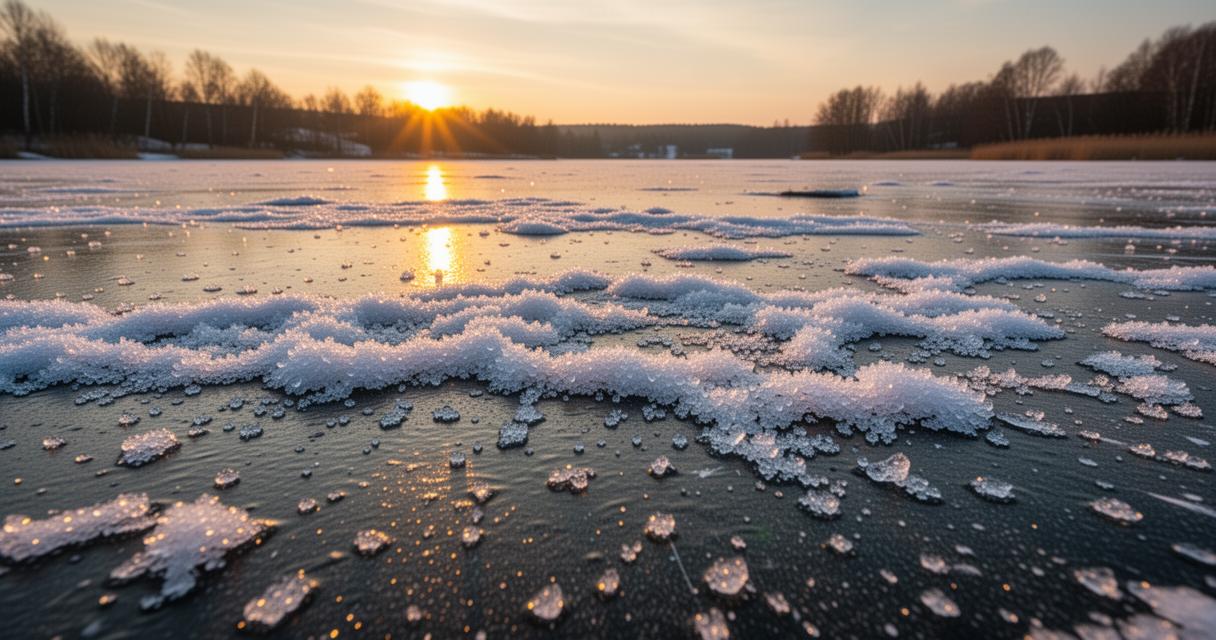
Spring skiing holds a particular appeal for those who enjoy the transformed character of the snowpack as winter loosens its grip. During spring, repeated freeze-thaw cycles produce a surface known as corn snow, made up of rounded, granular crystals that form as meltwater refreezes overnight and breaks apart again under the warmth of the sun. In the early morning, this surface is often firm and fast; by midday, as the sun warms the slope, it softens into a forgiving, grippy texture that many skiers find deeply satisfying. The key to enjoying spring snow safely lies in timing, as the afternoon deterioration can rapidly shift conditions towards the wet and unstable.
Snow Pack Layers and Mountain Safety for Skiers
A full understanding of mountain snow goes beyond what is visible on the surface. The snowpack is a layered archive of every weather event since the first snowfall of the season, and reading it accurately is a critical skill for anyone spending time in the mountains during winter.
Examining grains, plates, and needles within the blanket
Beneath the ski surface, a cross-section of the snowpack reveals a complex stratigraphy of grain types. Rounded grains, formed by equi-temperature metamorphism, are generally well-bonded and stable. Faceted plates and cups, produced when there is a strong temperature gradient within the snowpack, are far more loosely connected and form some of the most dangerous weak layers in avalanche science. Depth hoar — large, hollow crystals that develop near the ground where vapour pressure is highest — represents the extreme end of this process, creating a layer with almost no cohesive strength. Needles and columns, often found in surface hoar deposits, glitter beautifully in sunlight but become treacherous once buried under fresh snow. The study of these different grain types has become a central discipline within snow science, informing everything from avalanche forecasting to ski resort safety management.
Recognising conditions that lead to avalanches on ski faces
Avalanche risk on a mountain is rarely the product of a single factor. Instead, it arises from the interaction between a weak layer within the snowpack, an overlying slab, and a trigger — whether that trigger is additional snowfall, wind loading, a rapid rise in temperature, or simply the weight of a skier crossing a critical point on the slope. Wet avalanches, driven by high liquid water content in spring, tend to move more slowly but carry enormous destructive force. Dry-slab avalanches, often triggered by the failure of a buried layer of faceted grains or depth hoar, can accelerate to devastating speeds within seconds. Skiers and mountaineers are strongly advised to consult regional avalanche bulletins before venturing onto uncontrolled terrain, paying close attention to the reported weak layer types and the aspects and elevations most at risk. Awareness of snow crystal types, slope angle, recent weather history, and the current temperature profile of the snowpack together provide the clearest picture of conditions on any given day.
Snow, in all its forms, rewards careful observation. Whether you are a seasoned ski instructor, a weekend powder enthusiast, or simply someone who finds beauty in the science of winter, taking the time to understand what lies beneath your feet transforms the mountain from a backdrop into a dynamic, readable landscape.